The Canadian Rockies

From glacial valleys and alpine ecosystems to Indigenous knowledge systems rooted in the land, the Canadian Rockies offer a powerful setting for place-based learning. This region invites students to explore climate change, conservation, and leadership within landscapes shaped by both deep time and urgent environmental change.

Learning through the SDGs

Click an SDG below to see examples of how select SDGs are explored on our programs.

3
Good Health and Well-Being

The Canadian Rockies offer a powerful setting to explore the connection between physical activity, mental well-being, and time spent in nature. Through outdoor leadership experiences, time in protected landscapes, and reflection in natural settings, you examine how access to green spaces supports health, resilience, and overall well-being. Learning also considers how environmental degradation and climate change can affect both human and ecological health.

13
Climate Action

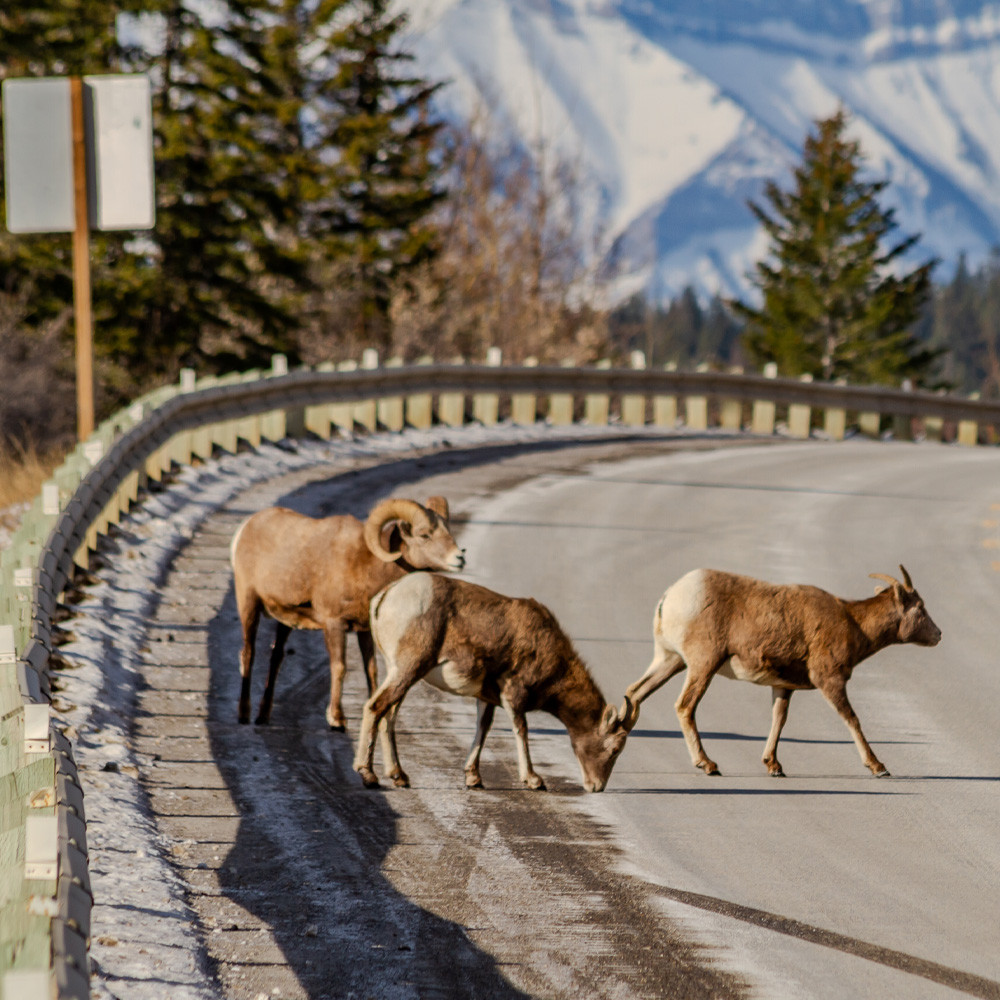
The Canadian Rockies provide a visible and immediate context for understanding climate change. Through engagement with glaciers, mountain hydrology, and wildlife habitats, you examine how rising temperatures affect alpine ecosystems. Learning centers on climate mitigation, adaptation, and the role of protected areas in responding to environmental change.

15
Life On Land

As one of North America’s most biodiverse mountain regions, the Rockies offer insight into interconnected land-based ecosystems. You explore forests, rivers, and alpine environments while examining species interdependence, conservation practices, and the long-term impacts of human activity. Learning emphasizes stewardship, resilience, and ecological balance.

Mountains, Memories, and Responsibility

For thousands of years, the Rockies, known to many Indigenous Nations as the “Backbone of the World,” have held cultural, spiritual, and ecological significance. Through Indigenous perspectives, you explore how mountains, rivers, and wildlife are understood as interconnected and alive, shaping relationships rooted in respect and reciprocity.

At the same time, you critically examine how climate change, tourism, and development place increasing pressure on these landscapes. This lens invites reflection on responsibility, long-term thinking, and what ethical leadership looks like in spaces that are both protected and vulnerable.

Sample itinerary

At Insight, our programs are designed to reflect the unique interests, goals, and needs of your students. Each itinerary is thoughtfully customized in collaboration with schools, ensuring meaningful alignment with your learning objectives.

Arrive in Banff and settle into your mountain surroundings. Begin orienting yourself to the landscapes, histories, and themes that will shape the program, including leadership, climate change, and land awareness.

Engage alongside the Canadian Parks and Wilderness Society to explore how protected areas support biodiversity and climate mitigation. Through discussion and field-based learning, examine conservation strategies and the role of advocacy in protecting wild spaces.

Later, reflect on geothermal systems and the relationship between natural resources and human use while soaking in the Banff Upper Hot Springs.

Participate in a guided climbing experience or outdoor challenge on Mount Norquay, building teamwork, confidence, and adaptability in a mountain environment.

Later, deepen cultural understanding through learning at the Buffalo Nations Luxton Museum, grounding physical challenge in historical context and responsibility.

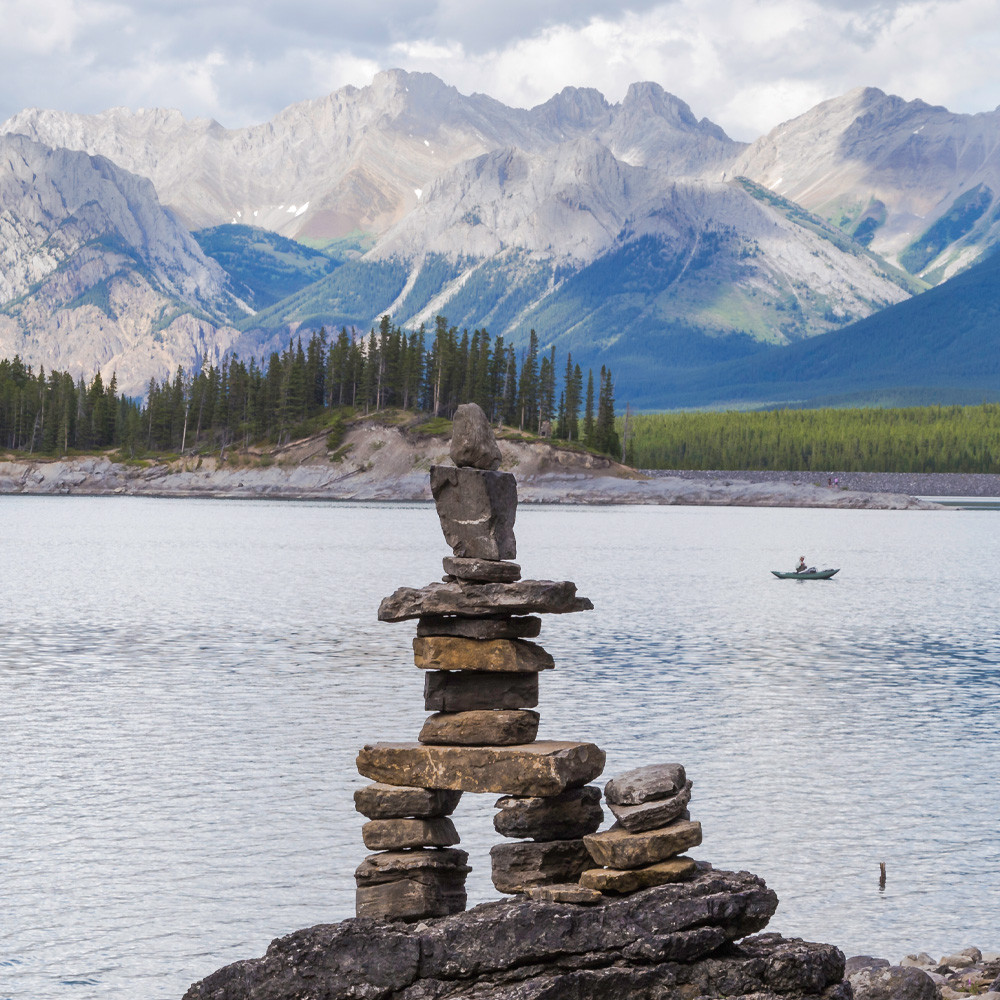
Travel along the Icefields Parkway, engaging with iconic mountain landscapes such as Lake Louise and Peyto Lake. Learning focuses on glacial systems, erosion, and how climate change affects mountain hydrology.

Continue north to Jasper, reflecting on how geography shapes ecosystems, access, and conservation.

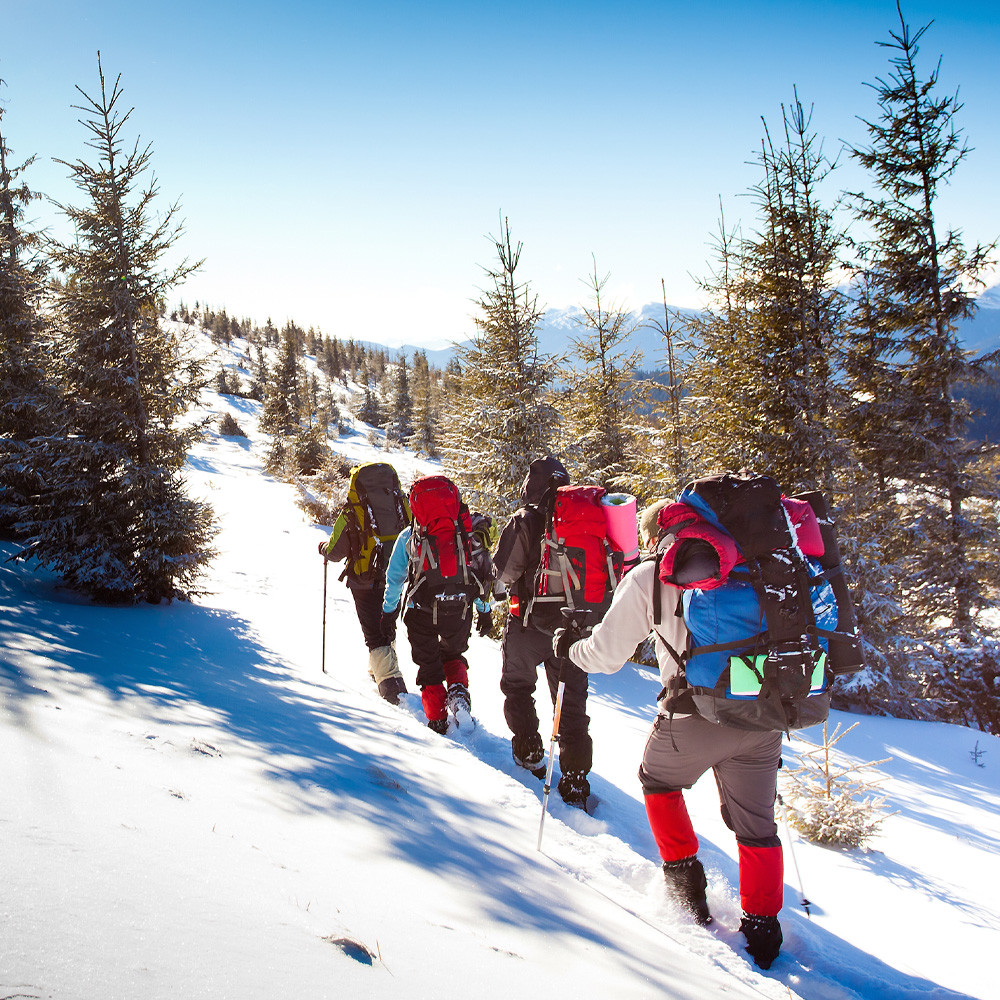
Develop wilderness and leadership skills in Jasper National Park through hands-on activities emphasizing decision-making, collaboration, and respect for protected landscapes.

In the evening, prepare a shared campfire meal, reinforcing teamwork, self-sufficiency, and connection to place.

Explore Maligne Valley while learning from an Indigenous guide who shares perspectives on the Rockies as living, relational landscapes. Stories and teachings connect rivers, glaciers, and mountains to cultural identity and responsibility.

Begin your journey home, participating in reflection and synthesis activities that connect leadership, climate responsibility, and lessons carried forward from the mountains

Highlights

Climate Leadership in Action

Engage directly with conservation organizations and climate learning in alpine environments, exploring mitigation, adaptation, and responsibility.

Indigenous Knowledge and Place

Learn from Indigenous perspectives that center reciprocity, cultural continuity, and long-standing relationships with the land.

Wilderness Skills and Team Leadership

Build confidence, collaboration, and resilience through hands-on outdoor challenges in mountain settings.

What’s included

  • All accommodations
  • All meals and water
  • All programs activities and experiences
  • All teacher chaperone costs at an 8:1 ratio
  • Comprehensive travel insurance (medical, travel and cancellation)
  • Curriculum units to accompany program themes
  • Global and locally-based facilitators
  • Pre-program orientations and post-program debriefing

Start your global
journey today

Want to learn more? Contact us today

Our team is always happy to help.

View our Program Guide

A helpful starting point for imagining what’s possible.

Sign up for our monthly newsletter

Stay up to date on all the happenings at Insight!

We'll never share your information, view our Privacy Policy to learn more.