Montréal

Montréal is a city shaped by layered histories, cultural resistance, and creative expression. Situated on unceded Indigenous land and defined by its French language, activist roots, and global diasporas, Montréal offers students a dynamic setting to explore identity, power, and belonging.

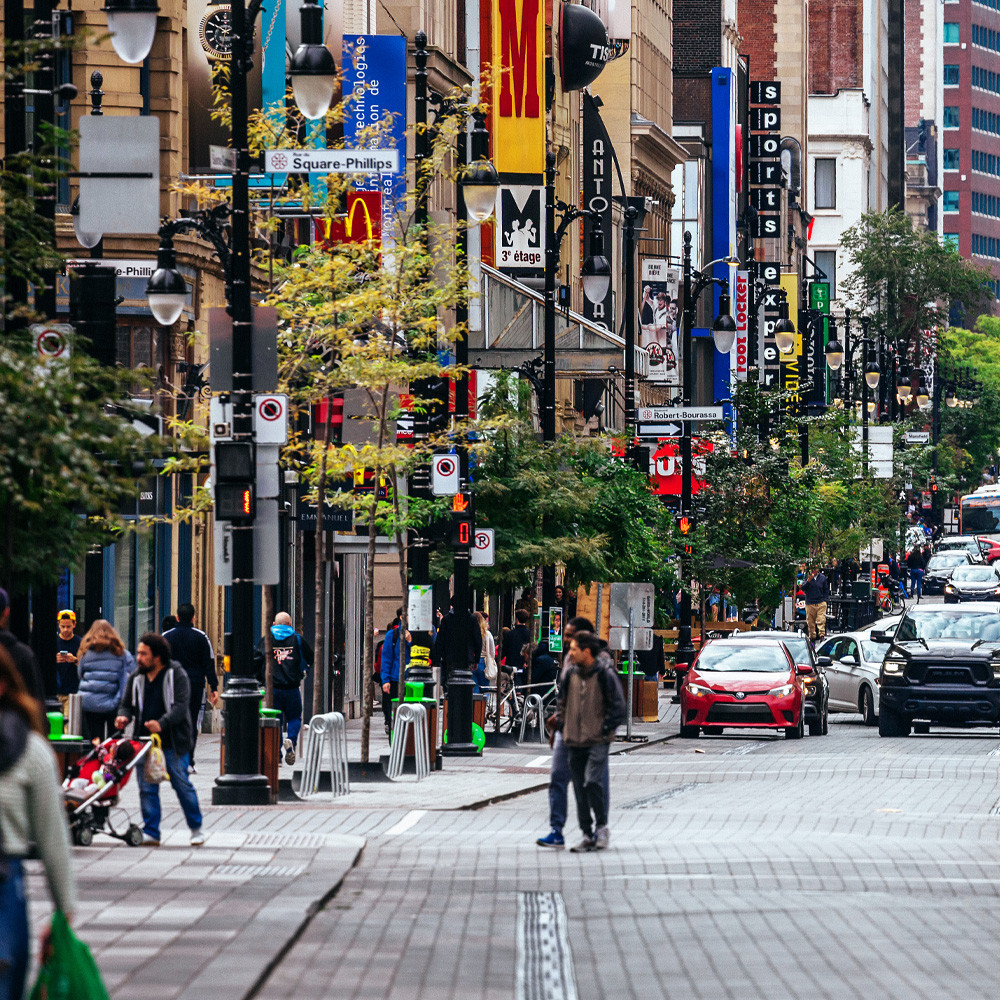
From cobblestone streets in Old Montréal to vibrant mural-lined neighborhoods, students experience where language, art, politics, and community intersect. Through immersive experiences and local partnerships, Montréal invites learners to examine how culture becomes a tool for memory, activism, and change.

Learning through the SDGs

Click an SDG below to see examples of how select SDGs are explored on our programs.

10
Reduced Inequalities

Montréal provides a dynamic setting to explore how inequality is shaped by language, migration, and access to power in urban spaces. Students examine French–English relations, immigrant and racialized communities, and grassroots activism through neighborhoods, cultural institutions, and public art. Learning highlights how communities organize, advocate, and use culture as a tool to challenge inequity and assert belonging.

11
Sustainable Cities and Communities

Montréal offers a powerful case study in how cities preserve identity while evolving over time. Students explore how public space, food systems, transportation, and cultural institutions shape livability and belonging. Through neighborhood explorations, markets, and museums, learners examine how sustainability includes cultural preservation, access, and community voice.

16
Peace, Justice, and Strong Institutions

Through Montréal’s museums, historic sites, and activist spaces, students explore how justice, memory, and civic responsibility are negotiated in a bilingual and politically complex society. Learning highlights how histories of colonization, resistance, and reform continue to influence public institutions and social movements today.

People, Place, and Power

Montréal invites students to examine how power is expressed through language, culture, and public space. As a city shaped by Indigenous presence, French and English relations, and waves of migration, Montréal offers a lens into how identity is negotiated and contested.

Through art, food, music, and activism, students explore how communities assert voice, preserve memory, and imagine more just futures. This theme encourages learners to move beyond static narratives and engage critically with how people shape cities, and how cities shape people.

Sample itinerary

At Insight, our programs are designed to reflect the unique interests, goals, and needs of your students. Each itinerary is thoughtfully customized in collaboration with schools, ensuring meaningful alignment with your learning objectives.

Arrive in Montréal and meet your Insight facilitator. Begin with an orientation walk through the city, introducing students to the sounds, languages, and rhythms of daily life in a bilingual, multicultural metropolis. Pause for an introduction to Montréal-style bagels, comparing this local tradition to other global food identities.

Gather for a program orientation focused on community agreements, language awareness, and the guiding themes of history, culture, and identity.

Explore Montréal’s origins at Pointe-à-Callière, where layered archaeological remains reveal Indigenous presence, colonial settlement, and urban growth built literally on top of one another. Continue through Old Montréal, navigating cobblestone streets and historic architecture while examining how European influence, commerce, and tourism shape the city’s identity today.

Students practice conversational French through guided challenges in cafés, bakeries, and public spaces, using language as a tool for connection rather than perfection.

The afternoon includes a classic Montréal poutine stop, opening conversations about food, regional pride, and how working-class dishes become cultural symbols.

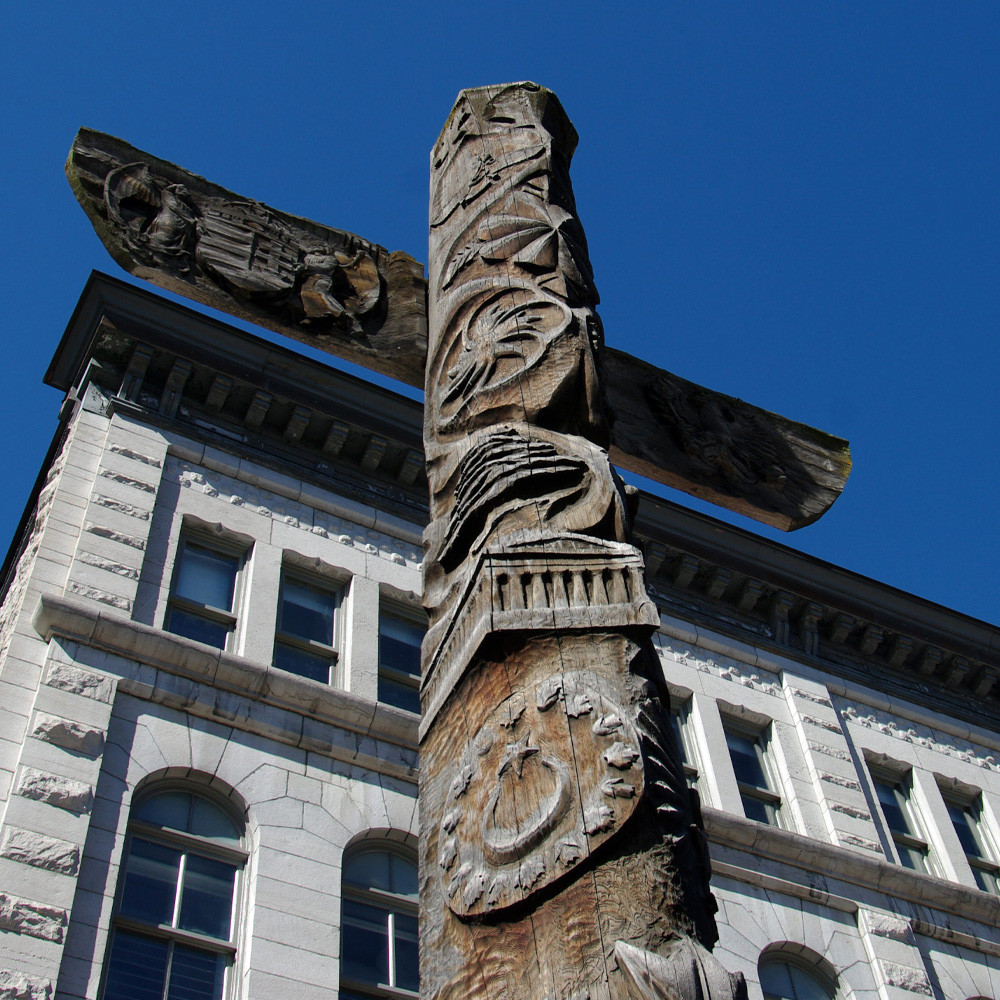
Engage with Indigenous histories and living cultures through a guided museum experience and an Indigenous-led workshop focused on storytelling, resilience, and reconciliation. Students explore how creative expression, education, and cultural continuity are used as tools for advocacy and transformation today.

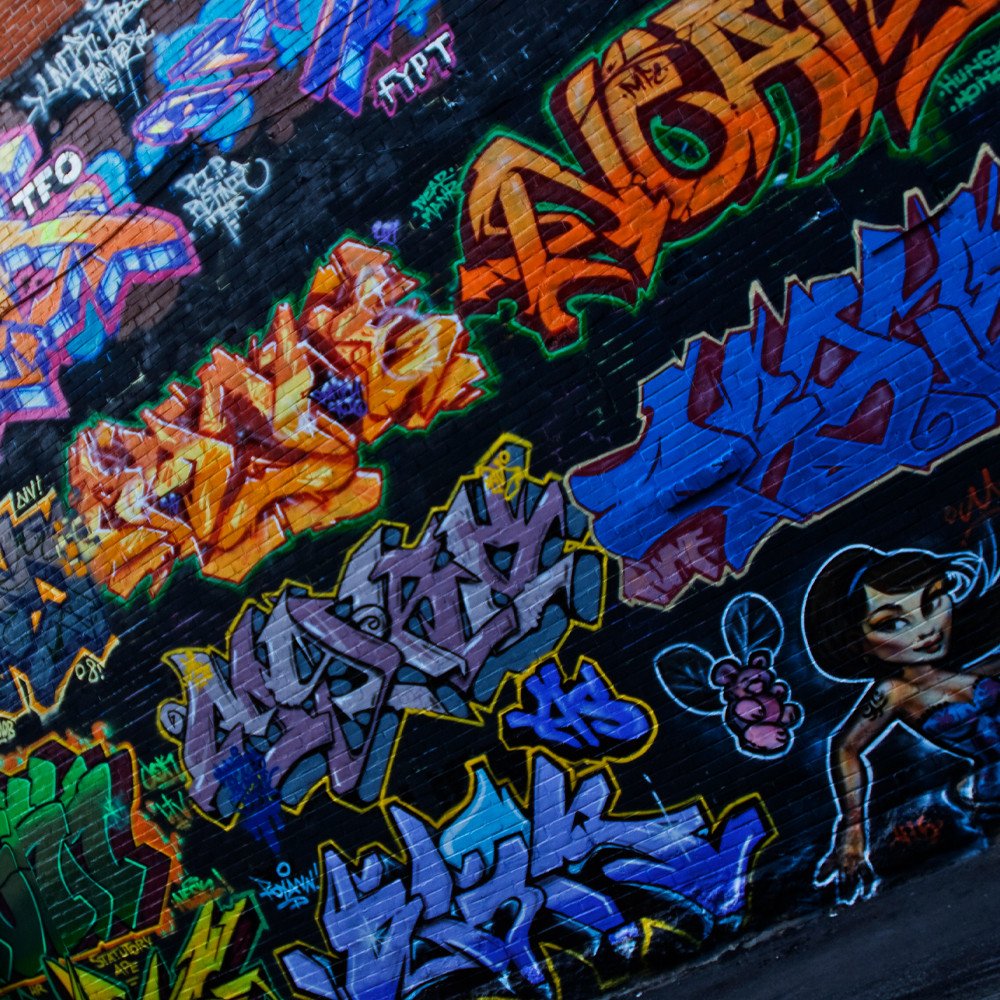
Later, explore Montréal’s mural districts with a local guide, unpacking how street art functions as political expression, cultural memory, and social critique in public space. Students consider who gets to tell stories in cities — and whose voices are amplified or erased.

Begin the day with a hands-on French macaron workshop, learning the precision, technique, and cultural history behind one of Québec’s most recognizable pastries. The experience connects language, chemistry, and culinary tradition.

Continue with a guided exploration of Jean-Talon Market, where students examine how migration, agriculture, and tradition shape Québecois cuisine. Through tastings and conversations with vendors, learners explore food as a living expression of identity.

The day concludes with a traditional sugar shack experience just outside the city, where music, food, and seasonal rituals highlight how geography and climate have shaped Québec’s economy and cultural traditions.

Participate in a circus arts workshop led by professional instructors, drawing inspiration from Montréal’s role as the birthplace of Cirque du Soleil. Through movement, balance, and collaboration, students explore risk-taking, trust, and embodied learning.

In the evening, attend a Cirque du Soleil performance, experiencing world-class contemporary circus as a form of storytelling that blends art, athleticism, and social commentary. Students reflect on how creative industries can carry local identity onto a global stage.

Visit the Montréal Museum of Fine Arts for a guided exploration of Québec and Canadian art, examining how visual culture reflects political movements, identity, and social change.

Later, walk the McGill University campus to discuss education, language politics, and public institutions in a bilingual society. Students consider how universities function as sites of power, access, activism, and debate within Québec’s unique cultural context.

Conclude the program with guided reflection, connecting themes of language, culture, Indigenous presence, and creative resistance. Students depart Montréal with strengthened language confidence, deeper cultural understanding, and new perspectives on how cities become spaces of creativity, contestation, and connection.

Highlights

Language in Action

Practice French daily through real-world interactions in markets, museums, neighborhoods, and cultural spaces.

Art as Activism

Explore Montréal’s global street art scene and creative communities to understand how art shapes political dialogue and public memory.

Living Histories

Engage with Indigenous perspectives, colonial legacies, and contemporary movements that continue to define Montréal’s identity today.

What’s included

  • All accommodations
  • All meals and water
  • All programs activities and experiences
  • All teacher chaperone costs at an 8:1 ratio
  • Comprehensive travel insurance (medical, travel and cancellation)
  • Curriculum units to accompany program themes
  • Global and locally-based facilitators
  • Pre-program orientations and post-program debriefing

Start your global
journey today

Want to learn more? Contact us today

Our team is always happy to help.

View our Program Guide

A helpful starting point for imagining what’s possible.

Sign up for our monthly newsletter

Stay up to date on all the happenings at Insight!

We'll never share your information, view our Privacy Policy to learn more.