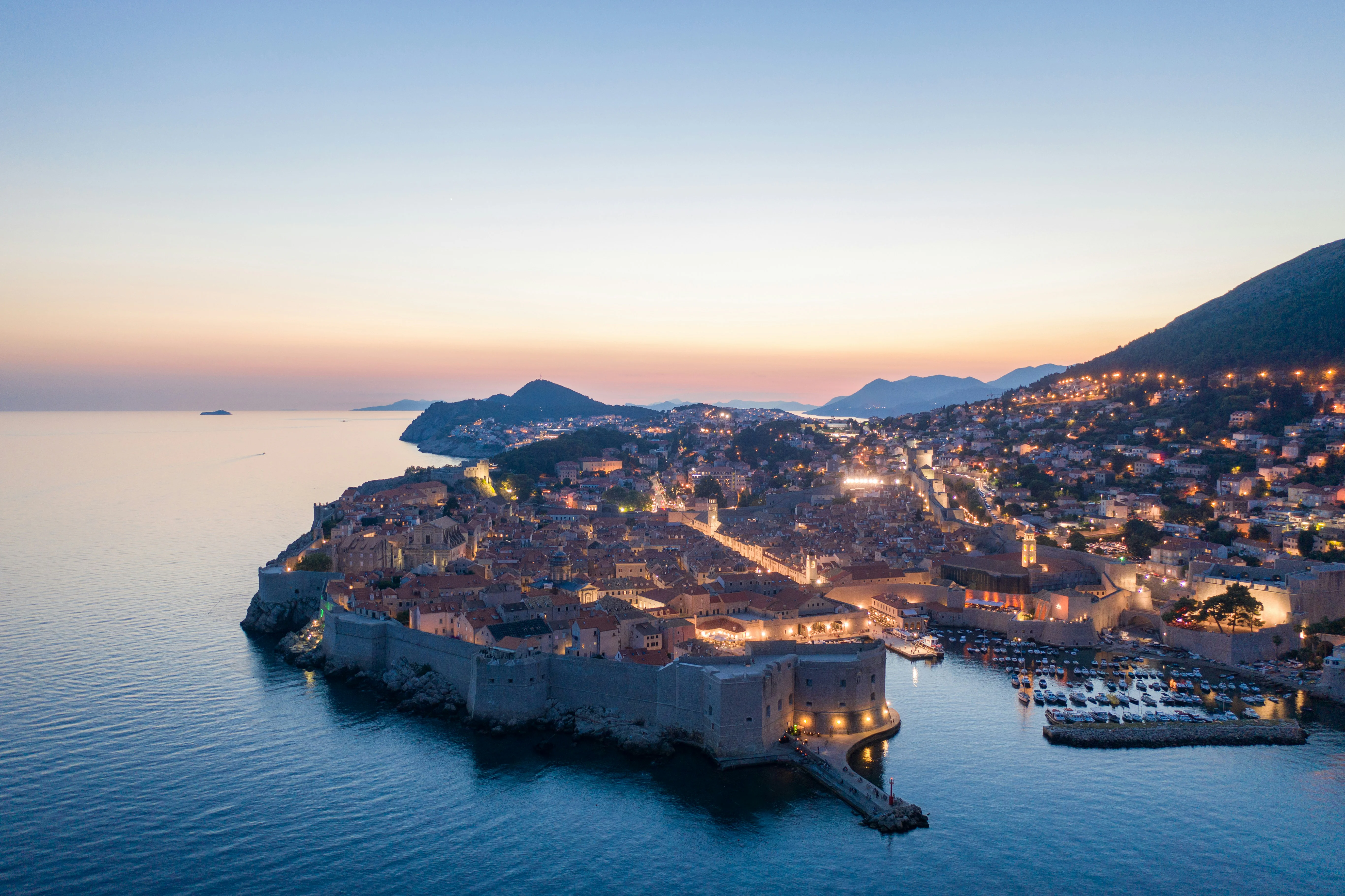
This program will take students on an immersive journey through Croatia, exploring how stories, images, and landscapes shape the way societies understand themselves. Through film-related site visits, cultural experiences, creative activities, and conversations with local experts, students will examine how cinematic storytelling can transform real places into powerful symbols. By connecting mythology, media, heritage, and identity, this program helps students better understand why modern myths continue to matter.
How can film create modern myths and what is their importance in society?
Day 1–2: Arrival in Dubrovnik and First Impressions
After a long travel day, students arrive in Dubrovnik and begin settling into one of Croatia’s most iconic coastal cities.
Their first afternoon includes time to rest before diving into the cultural context of the program with an introduction to Croatian language and customs. In the evening, students head into Dubrovnik’s Old Town for their first look at the historic streets and architecture that have made the city both a UNESCO World Heritage Site and a globally recognized filming location.
A welcome dinner in the heart of Old Town introduces students to the way real places can take on larger meaning through film, history, and public imagination.
Day 3: Dubrovnik, Tourism, and the Power of Place
Students begin the day by exploring how media attention shapes a destination through a meeting focused on tourism, public image, and sustainability in Dubrovnik.
They then explore the city’s Old Town and visit major historical and cinematic sites, including Minčeta Tower. As they walk through the fortifications and stone streets, students consider how architecture, landscape, and storytelling combine to create a sense of mythic significance.
Later, a themed scavenger hunt on Lokrum Island invites students to engage playfully and critically with the relationship between filming locations and cultural meaning. Time on the island also allows them to experience Croatia’s natural beauty, monastery ruins, and botanical spaces.
Day 4: Gardens, Traditions, and Cultural Storytelling
Students travel to Trsteno Arboretum, where they explore Renaissance gardens that carry both historical and cinematic importance.
The day continues in the Konavle region, where students take part in a farm-to-table cooking class using local ingredients. Preparing and sharing a meal together offers a hands-on introduction to regional traditions and the stories carried through food.
Later, students participate in a silk-making workshop, learning about traditional craftsmanship and how cultural practices are preserved across generations. This day helps students consider how myths are not created only through film, but also through the traditions, arts, and rituals that shape a society’s identity.
Day 5: Ancient History and Coastal Fortresses
As the group travels north, students begin exploring the deeper historical layers that have shaped Croatia’s cultural landscape.
In Solin, they visit Roman ruins and learn about the civilizations that once influenced the region. In Šibenik, they explore dramatic fortresses and filming locations that connect the real history of coastal defense with the imagined worlds portrayed on screen.
A visit to the Museum of Dalmatian Dogs adds another dimension to the day by highlighting a cultural symbol rooted in regional identity. Together, these experiences invite students to reflect on how history, place, and storytelling overlap.
Day 6: Island Life, Craftsmanship, and Community
Students travel by ferry to Brač Island, where they visit an animal sanctuary and learn about community-based care and volunteerism.
Later, they visit a traditional stone carving school, where students observe a craft that has been passed down for generations and continues to shape the visual identity of the region. Time in Supetar offers a chance to experience island life more closely and observe the rhythms of everyday life along the coast.
This day encourages students to think about how local traditions and communities contribute to the stories a place tells about itself.
Day 7: Photography, Perspective, and Visual Identity
In Split, students engage directly with the role of visual storytelling through conversations with local photographers at Fotoklub Split.
They explore exhibitions, discuss how photography shapes perception, and take part in a photo safari through Split’s Old Town. By documenting architecture, streetscapes, and filming locations through their own lenses, students consider how framing, image-making, and perspective influence what people remember and believe about a place.
The day concludes at Klis Fortress, where students capture one final dramatic setting while reflecting on how cinematic landscapes become part of collective imagination.
Day 8: Reflection and Journey Home
On the final day, students begin the journey back to Dubrovnik and then onward home.
They leave Croatia having explored the intersection of film, heritage, myth, and identity through both iconic sites and everyday cultural experiences. As they return home, they carry with them new questions about how stories are built, why they endure, and how modern myths continue to shape society.
 Uncategorized